St. Patrick’s Day; Up to 30% OFF Everything!

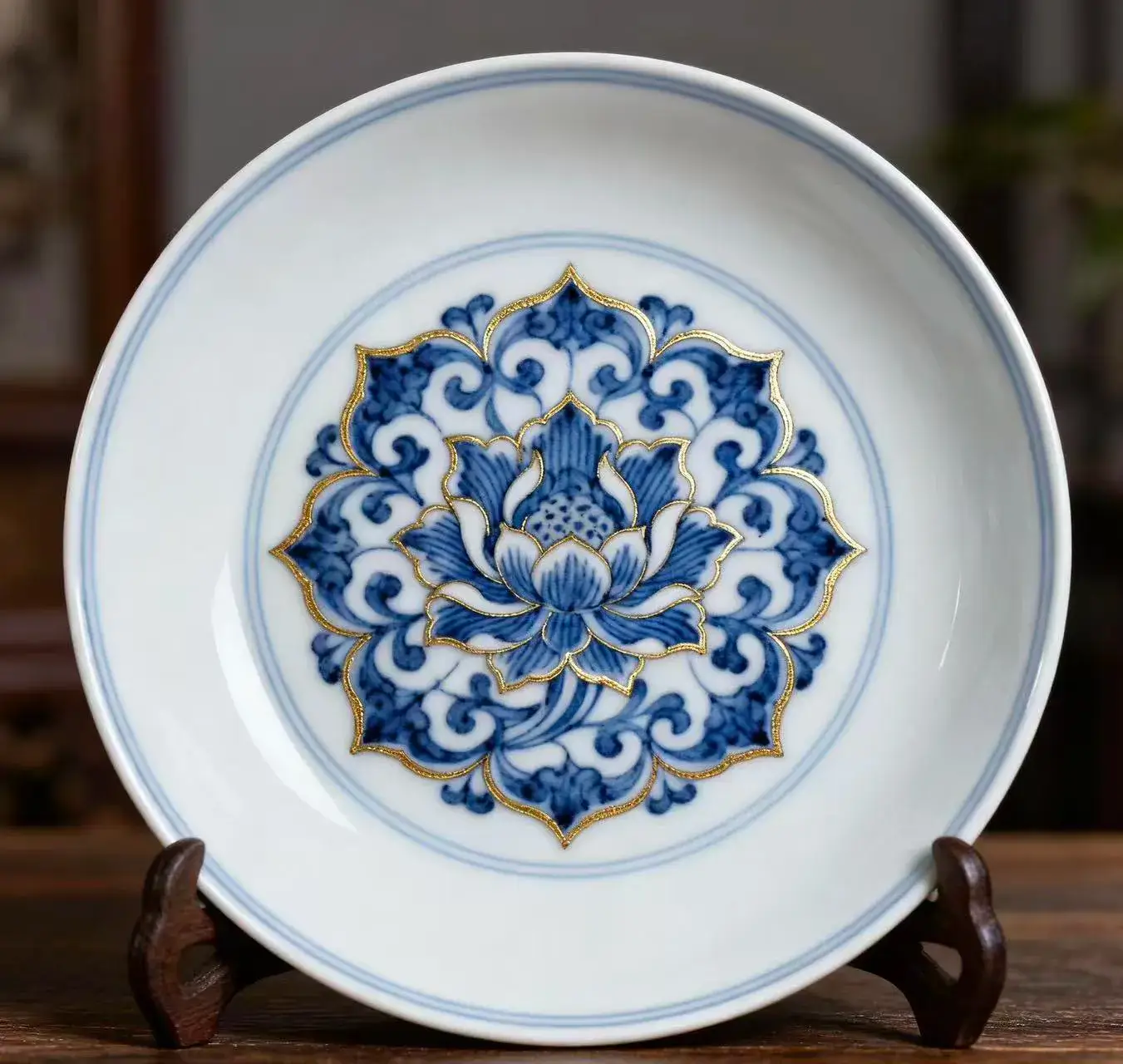
The allure of authentic Chinese porcelain lies in its perfect blend of natural raw materials, time-honored craftsmanship, and meaningful cultural stories. High-quality Chinese porcelain stands apart from mass-produced industrial ceramics, as every hand-painted handmade piece is a labor of love created by seasoned master artisans.
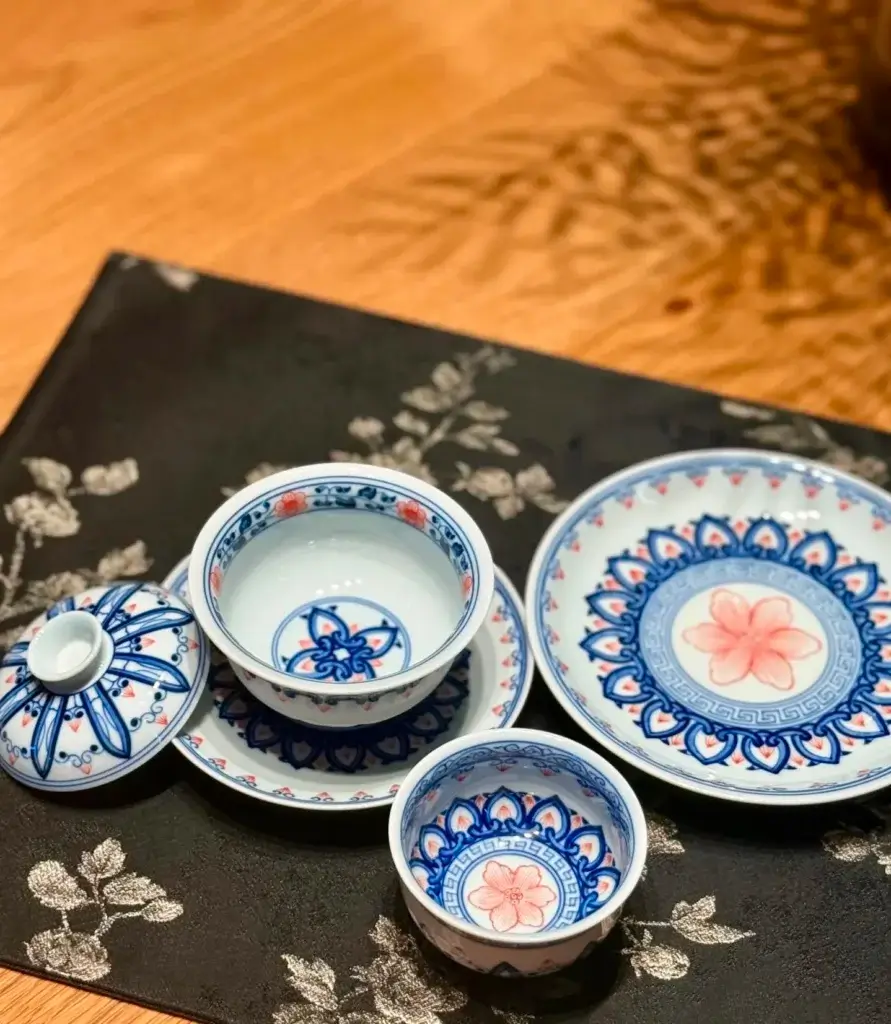
4 Core Criteria for Identifying High-Quality Chinese Porcelain
Examine the Clay and Body: The Foundation of Quality
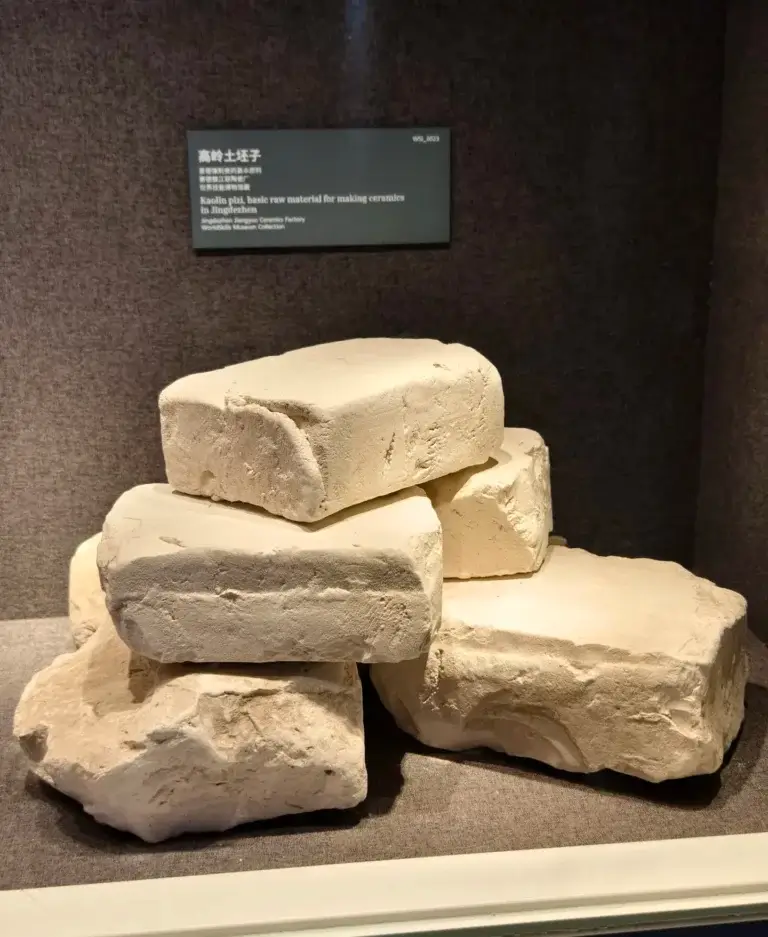
The quality of fine Chinese porcelain starts with its raw material: kaolin clay. This pure, fine-grained mineral is the secret behind Chinese porcelain’s famous whiteness, translucency, and durability. When sourcing or evaluating porcelain, pay close attention to the body composition.
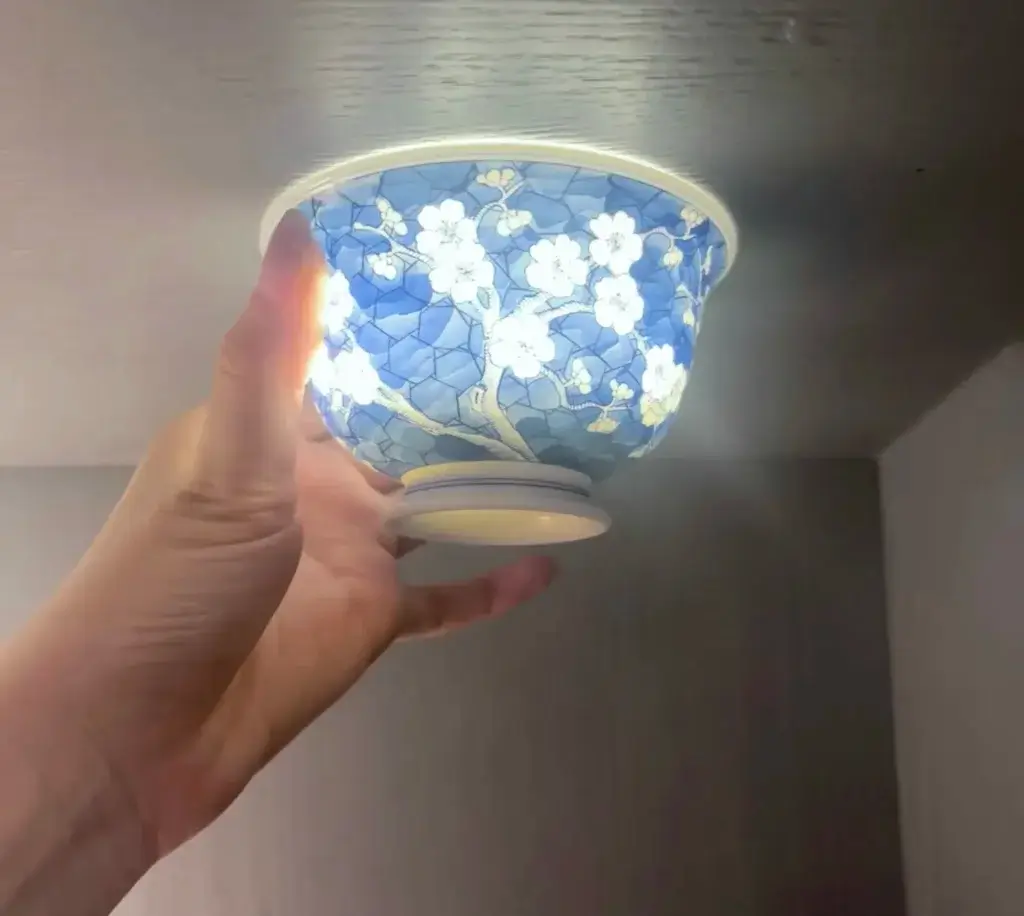
- Translucency Test: Hold the piece up to a natural light source. High-quality porcelain will emit a soft, even glow, revealing a smooth, ivory-white body. For a cloudy or grayish hue, this may signal impure clay or a lower-grade ceramic type, such as stoneware or earthenware.
- Weight and Density: Premium porcelain feels “light yet substantial” — dense enough to resist chips and wear, but not overly bulky. To check this, tap the edge gently with your finger: a solid, resonant sound means a well-compacted body, while a hollow rattle points to poor craftsmanship or uneven firing.
Evaluate the Glaze: Smoothness, Uniformity, and Unique Texture
The glaze is both a protective layer and the most eye-catching feature of Chinese ceramic ware. A superior glaze can turn a plain body into a work of art, while flaws often show low-quality firing techniques.
- Touch Test: Run a clean finger across the surface. The glaze should be smooth, even, and free of bubbles, pinholes, or rough spots. In contrast, top-tier glazes feel like polished jade — cool, silky, and luxurious to the touch.
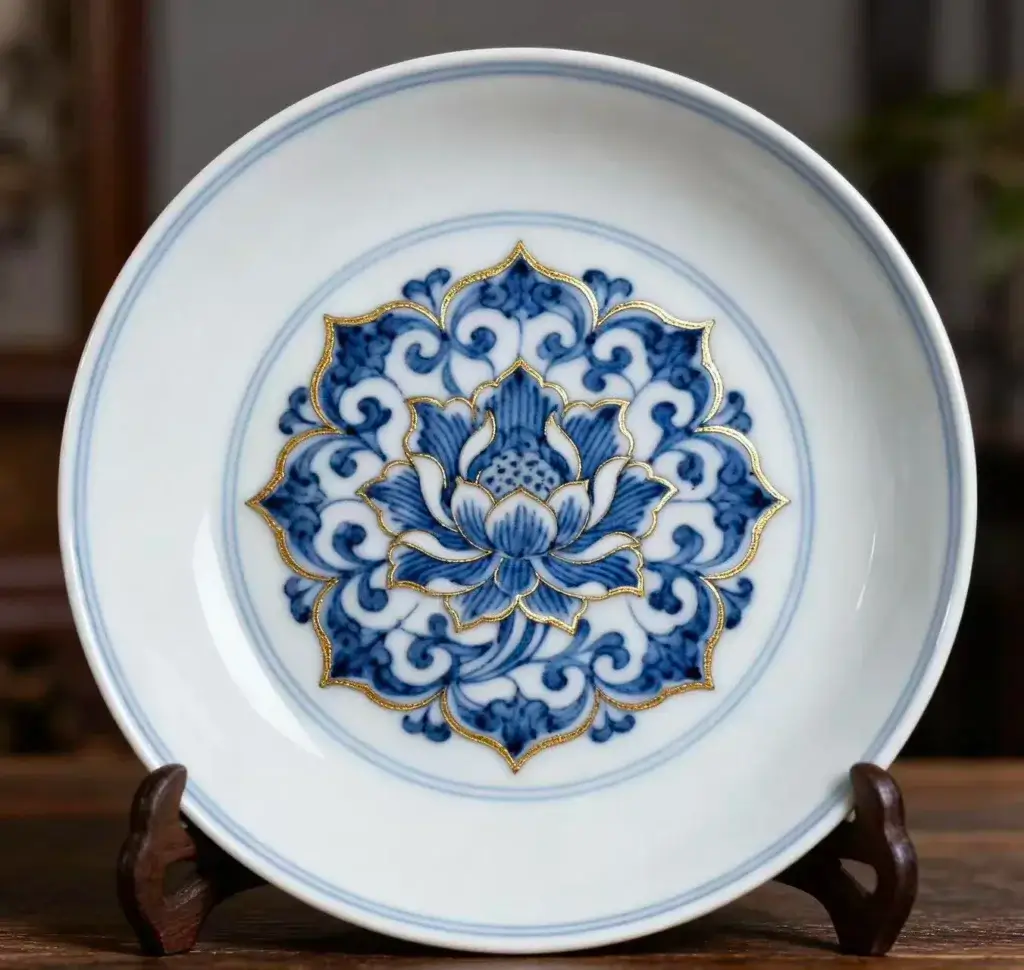
- Color Consistency: Hand-painted porcelain should have rich, harmonious colors. For example, traditional hues like blue and white (qinghua), underglaze red (youlihong), and imperial blue (ji lan) should apply evenly with no smudging or fading. For ice crack glazes, the iconic “gold wire and iron thread” patterns should form naturally, not artificially.
- Firing Quality: A well-fired glaze bonds tightly to the body with no peeling or cracking. On the other hand, thin, uneven glazes often signal rushed, low-temperature firing — a common flaw in cheap imitations.
Inspect Craftsmanship Details: The Mark of Artisanal Excellence
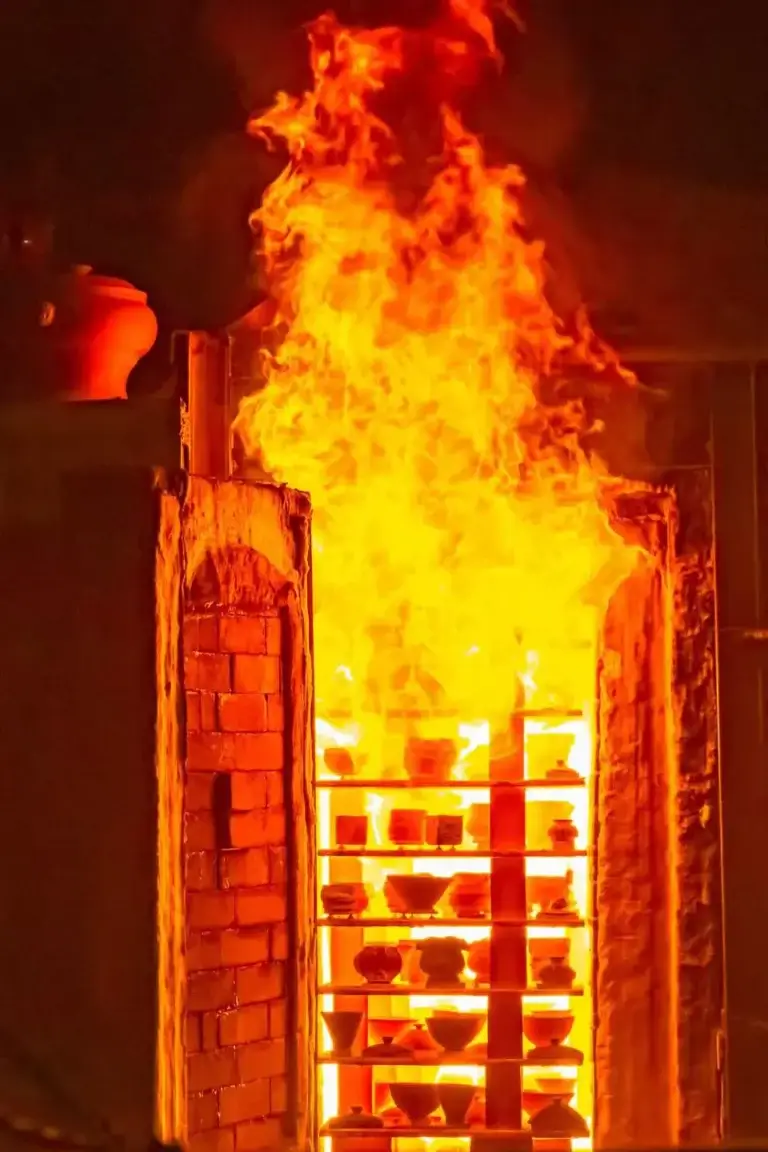
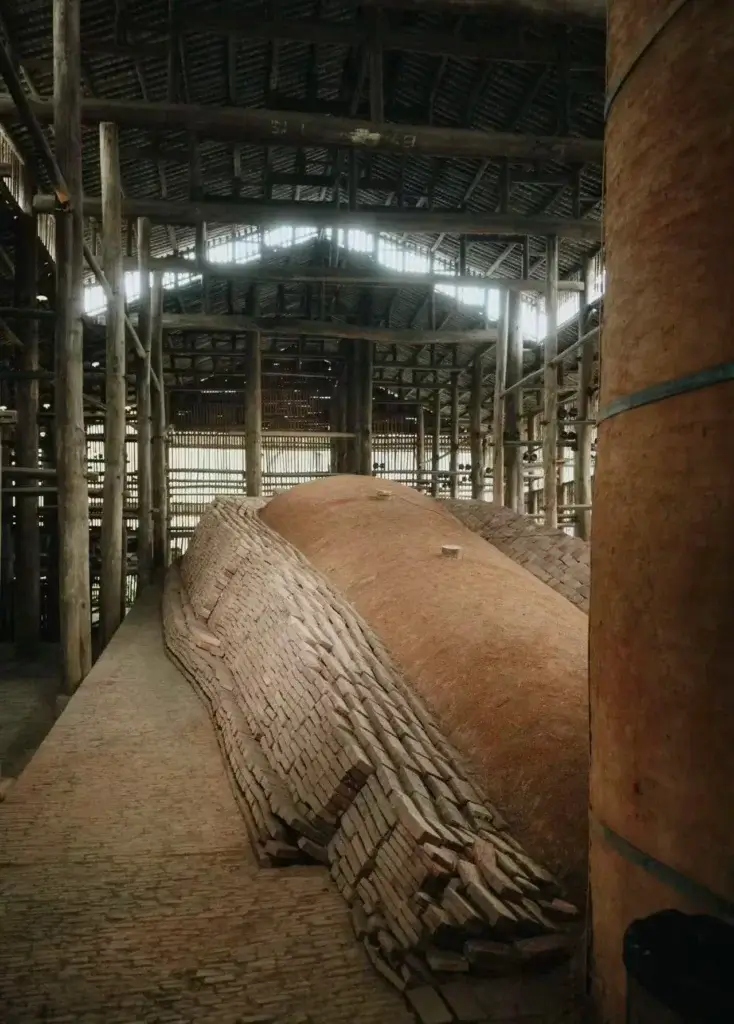
The true value of handcrafted Chinese porcelain lies in its craftsmanship. Each piece is a unique expression of the artisan’s skill, especially for works made with traditional techniques like wood-fired kiln processing.
- Shape and Symmetry: Even for irregular designs, high-quality porcelain should have balanced proportions. Specifically, functional pieces like bowls and plates must have smooth, symmetrical edges, and lids should fit snugly and rotate smoothly.
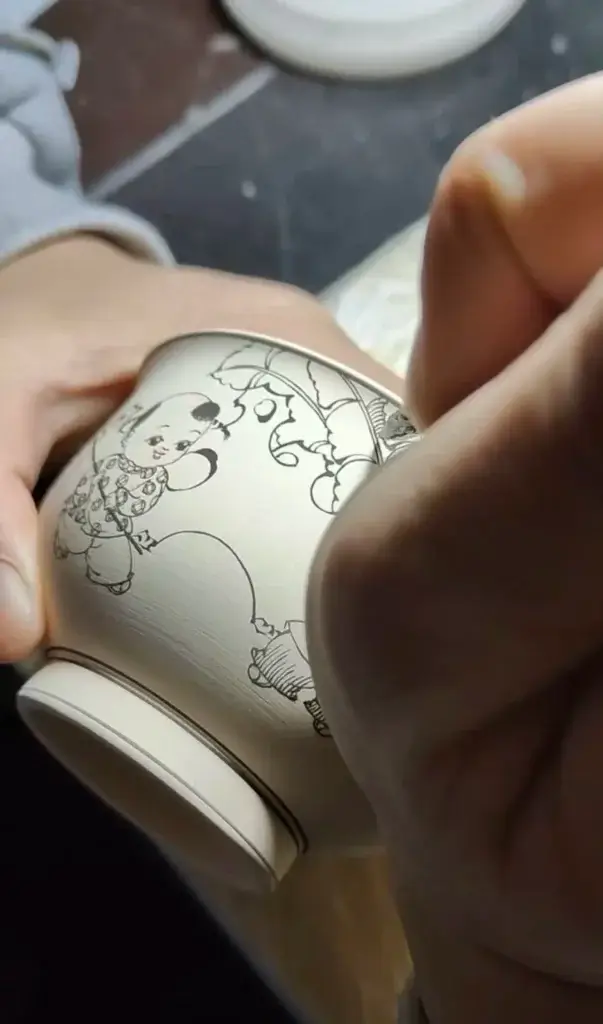
- Hand-Painted Details: Closely examine the patterns. Hand-painted pieces have subtle variations in brushstrokes — no two are identical. By comparison, machine-printed designs look rigid and uniform, often with pixelated edges when viewed closely.
Verify Cultural and Collectible Value
A truly exceptional piece of Chinese porcelain combines great craftsmanship with timeless cultural significance. This combination is what makes it valuable over time.
- Heritage Connection: Porcelain made with traditional techniques — such as wood-fired kiln firing or ancient glaze recipes — holds greater value, as it preserves intangible cultural heritage.
- Rarity and Uniqueness: Limited-edition pieces, one-of-a-kind hand-painted treasures, or works from renowned artisans/kilns (e.g., Jingdezhen kilns) command higher collectible value.
- Functional Versatility: Top-tier porcelain balances beauty and utility. Ultimately, a high-quality set is durable enough for daily use while standing out as decorative art — a dual role that makes it both a collectible and a useful part of everyday life.
Why Invest in High-Quality Chinese Porcelain?
In an era of fast fashion and disposable goods, premium Chinese porcelain stands out as a valuable investment — emotionally and financially.
Collectible Value: A Tangible Piece of History
Unlike mass-produced decor that loses value over time, authentic Chinese porcelain becomes more valuable as it ages. For instance, the global market for Chinese porcelain is thriving, with collectors in Europe, North America, and Asia driving steady price increases. In 2023, a Ming Dynasty blue and white piece sold for $30.8 million at Sotheby’s. Similarly, even handcrafted pieces from modern renowned workshops show consistent price growth.
Scarcity, craftsmanship value, and cultural relevance drive this appreciation. As the number of artisans skilled in traditional techniques shrinks, genuine Chinese porcelain becomes rarer — pushing values higher. Also, its durability means it can be passed down through generations, becoming a cherished family heirloom.
Emotional and Aesthetic Value: Elevate Daily Life
Beyond financial worth, high-quality Chinese porcelain enriches living spaces with beauty and meaning. A hand-painted vase on the mantel or blue and white tableware on the dining table adds elegance and cultural depth no mass-produced item can match. In this way, it weaves China’s thousand-year history into daily routines — sipping tea from an artisan bowl or displaying a vase tied to ancient kilns creates a poetic, intentional way of life.
For global consumers, Chinese porcelain also serves as a cultural bridge. Whether it’s the minimalist elegance of Song celadon, the vibrant hues of Qing famille rose, or the detailed craftsmanship of modern Jingdezhen pieces, they offer a tangible look into Eastern aesthetics. With the rise of “global mix-and-match” interior design trends, Chinese ceramic decor has become a must-have for modern homes, blending seamlessly with Western styles.
Sustainability: An Eco-Friendly Choice
Amid growing environmental awareness, high-quality Chinese porcelain is a sustainable alternative to disposable or low-quality tableware. Made from natural materials — kaolin clay, water, and mineral pigments — and fired with traditional techniques (many using less energy than industrial production), it has a far smaller carbon footprint than plastic or mass-produced ceramics. Furthermore, its durability eliminates frequent replacements, reducing waste and aligning with sustainable living principles.
FAQ: Common Questions About Chinese Porcelain
Q1: How do I perform a simple translucency test on porcelain?
A1: Hold the porcelain up to a bright light source. High-quality authentic porcelain will emit a soft, even glow, revealing a smooth ivory-white body. A cloudy or grayish hue often indicates impure clay or lower-grade ceramics.
Q2: What is the difference between hand-painted and machine-printed porcelain?
A2: Hand-painted porcelain features subtle variations in brushstroke patterns, with fluid, precise lines. Machine-printed designs appear rigid, perfectly uniform, and often have pixelated edges when examined closely.
Q3: Why is Jingdezhen porcelain so highly regarded?
A3: Jingdezhen, known as China’s “Porcelain Capital,” has a 1,700-year history of craftsmanship. It is renowned for mastering traditional techniques like blue and white and underglaze red, as well as sourcing premium kaolin clay. Pieces from Jingdezhen carry significant cultural heritage and collectible value.
Q4: Is high-quality Chinese porcelain safe for daily use?
A4: Yes, absolutely. Premium porcelain is non-toxic, non-porous, and heat-resistant. Its smooth glaze resists stains and bacteria, making it ideal for daily tea, coffee, and meal service.
Invest in a Timeless, Elegant Treasure
Identifying high-quality Chinese porcelain is about more than checking for flaws — it’s discovering its craftsmanship, cultural depth, and intrinsic value. By focusing on clay quality, glaze technique, production details, and cultural connotation, you can always find a piece that adorns your home and becomes a heritage collectible.
Whether you’re a seasoned collector or a first-time buyer, authentic Chinese porcelain offers a one-of-a-kind experience: blending history, art, and functionality to transcend trends. It reminds us that life’s most precious things are often made with care, built to last, and filled with meaning.
Ready to put your knowledge into practice? Start by choosing the right tools with our Beginner’s Guide to Tea. Then, deepen your understanding of craftsmanship with our side-by-side comparison of handmade and industrial porcelain.
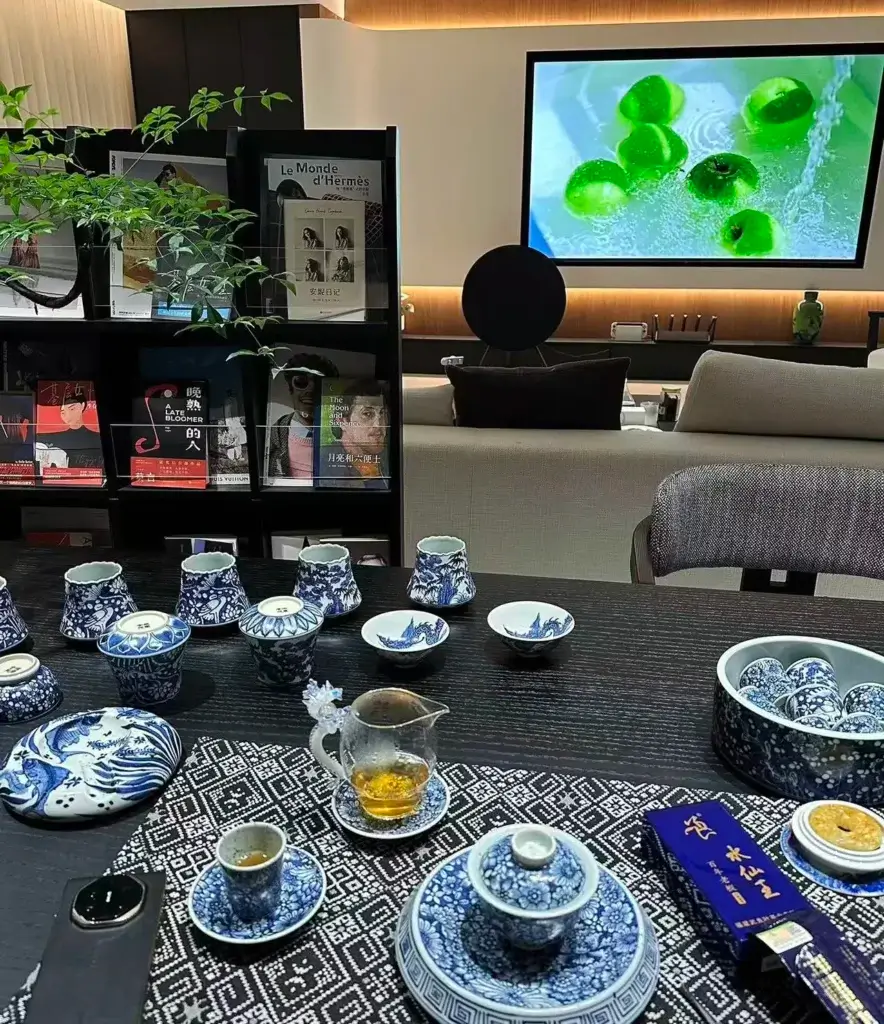
Ready to bring the beauty of Chinese porcelain into your life? Explore our hand-painted porcelain collection — each piece pays tribute to China’s thousand-year heritage, crafted for modern living.