St. Patrick’s Day; Up to 30% OFF Everything!

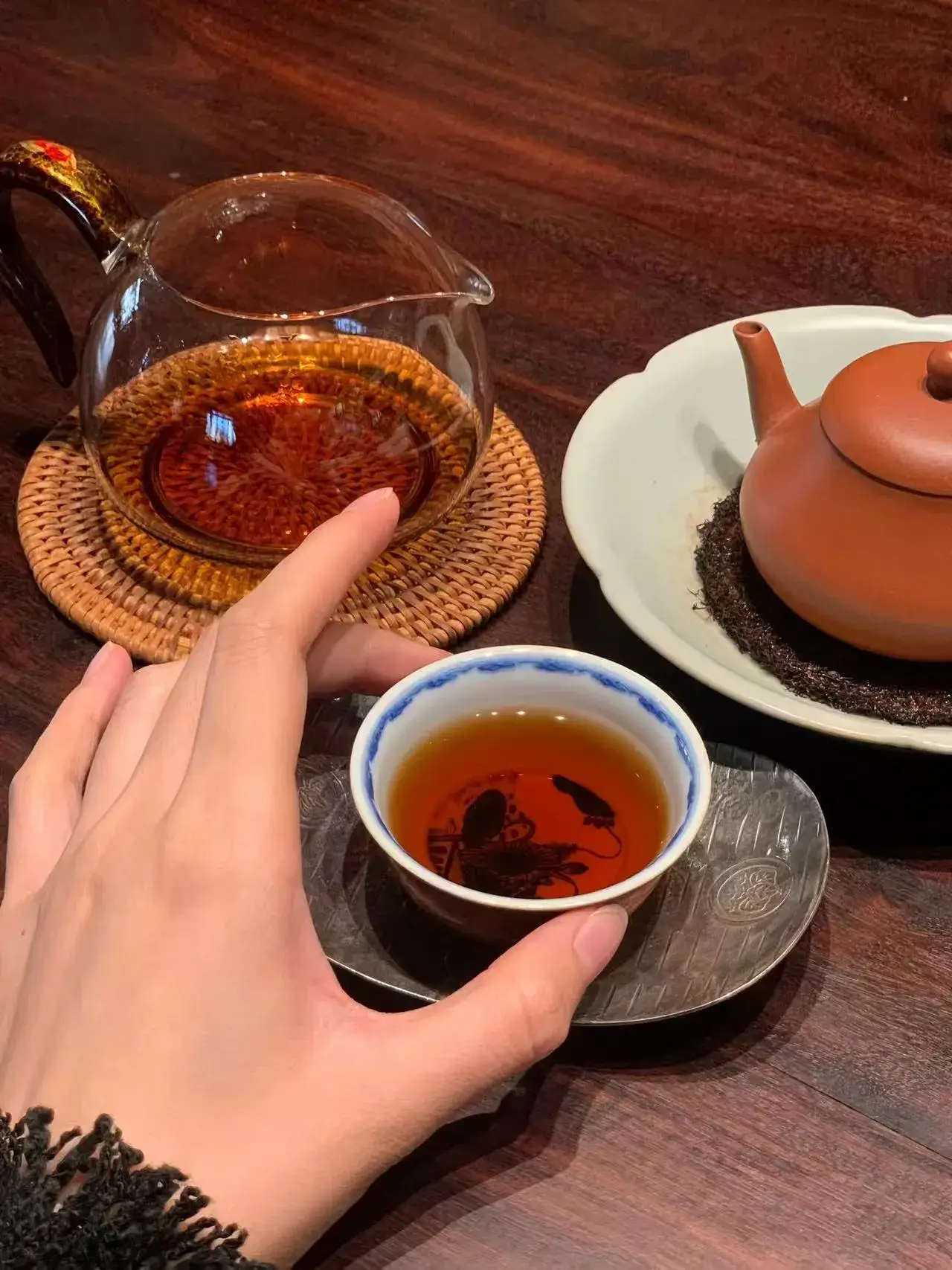
I first came across a fine Chinese porcelain teacup not while shopping, but at a friend’s home. It was simply resting on a small wooden tray, unassuming and quiet. Out of curiosity, I picked it up. In that moment, I wasn’t just holding a cup — I was touching something that carried centuries of history, craftsmanship, and quiet elegance.
That brief experience stayed with me. I began to learn more about Chinese porcelain, its long heritage, and the careful work behind each piece. Eventually, I got one for myself. What I didn’t expect was how much it would calm my heart, slow my thoughts, and bring a gentle, lasting peace to my daily life.
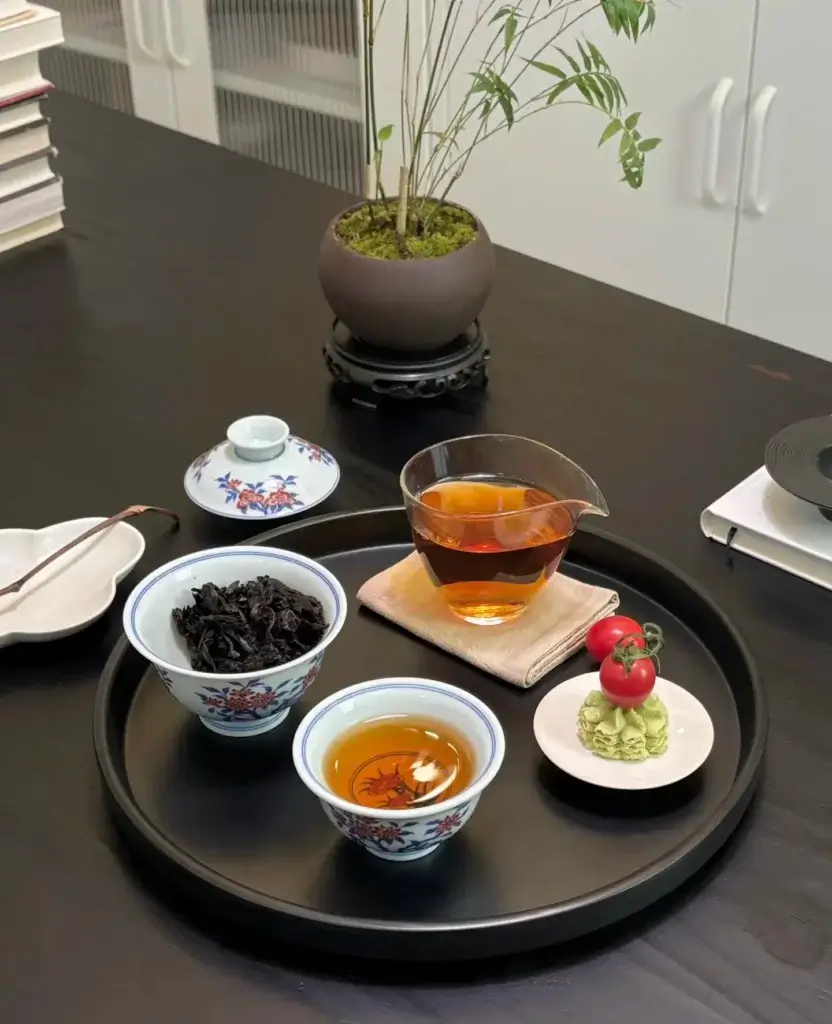
A Quiet Encounter With a Chinese Porcelain Teacup
It was an ordinary afternoon at a friend’s house. Sunlight fell softly across the table, and that was when I noticed it: a small, beautifully formed teacup, simple but full of quiet grace. It wasn’t loud or decorative; it carried a kind of understated beauty that felt both ancient and gentle.
I reached out and held it.
The moment my fingers touched the surface, I noticed how smoothly it felt — glossy, fine, and cool, but not cold. The wall of the cup was thin and light, yet it felt firm and well‑balanced in my palm, not fragile or easily bent. When I traced the rim slowly with my thumb, I could feel the careful finishing, no rough edges, no rushed marks.
Out of habit, I tapped it very lightly.
A clear, soft, long ring sounded, warm and calm.
In that second, my busy, scattered thoughts seemed to pause.
I wasn’t thinking about work, plans, or the noise of the day — instead, I was just holding it, feeling it, and noticing how naturally my body relaxed.
That afternoon, I didn’t say much, but that quiet, peaceful feeling stayed with me long after I left.
Growing Curiosity: The Craft of My Chinese Porcelain Teacup
After that visit, I found myself thinking about the teacup now and then.
I began to look into Chinese porcelain, not as a buyer, but as someone curious about its story.
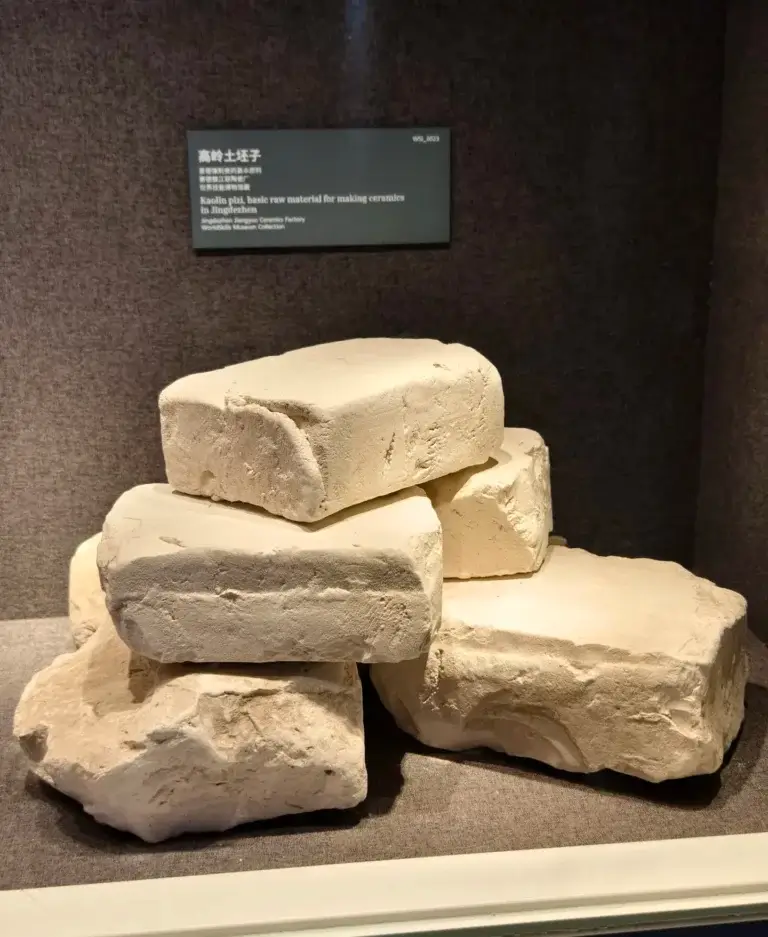
I learned that artisans craft real Chinese porcelain from pure kaolin clay, a fine material that lends it a smooth, milky white glow. They fire it at extreme temperatures — above 1300°C — fusing the clay into a dense, non-porous body that preserves the pure taste of tea without absorbing odors or stains. That’s why tea tastes so clean and pure in a porcelain cup.
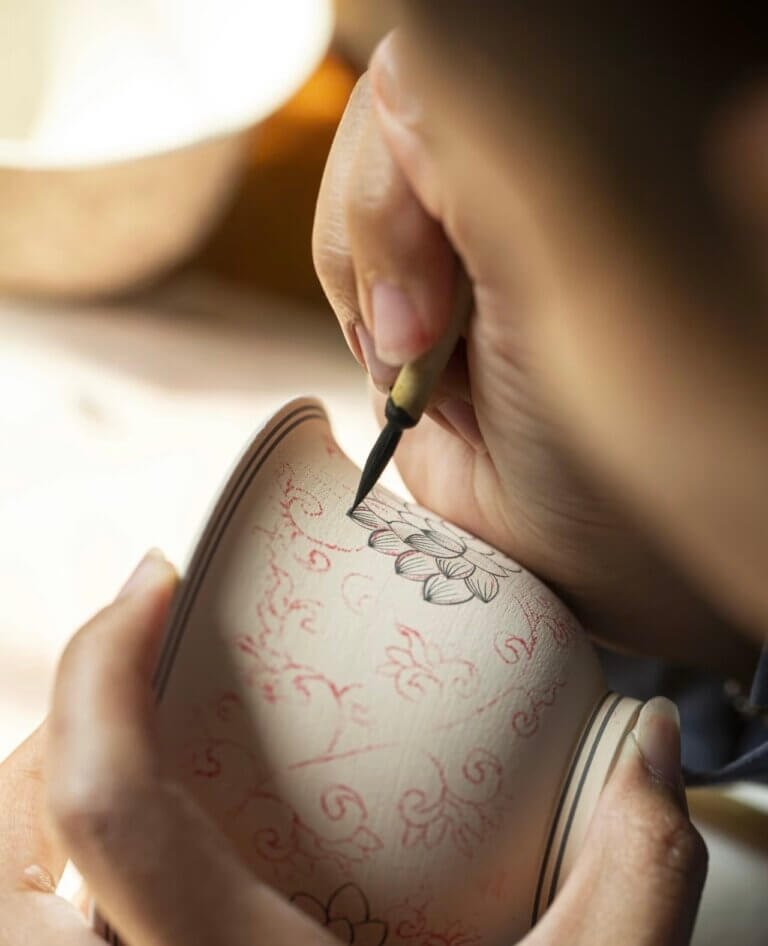
I also discovered that many delicate patterns use underglaze painting: skilled artists first paint the design by hand, then cover it with a clear glaze before firing it again. This process locks the color deep within, ensuring it never fades, peels, or loses its gentle beauty.
The more I read, the more I realized:
this is not just tableware.
It is a craft passed down for hundreds of years,
shaped by patience, practice, and respect for tradition.
Understanding that made me appreciate it even more.
It wasn’t just beautiful — it carried history.
And I wanted to have that quiet, steady presence in my own daily life.
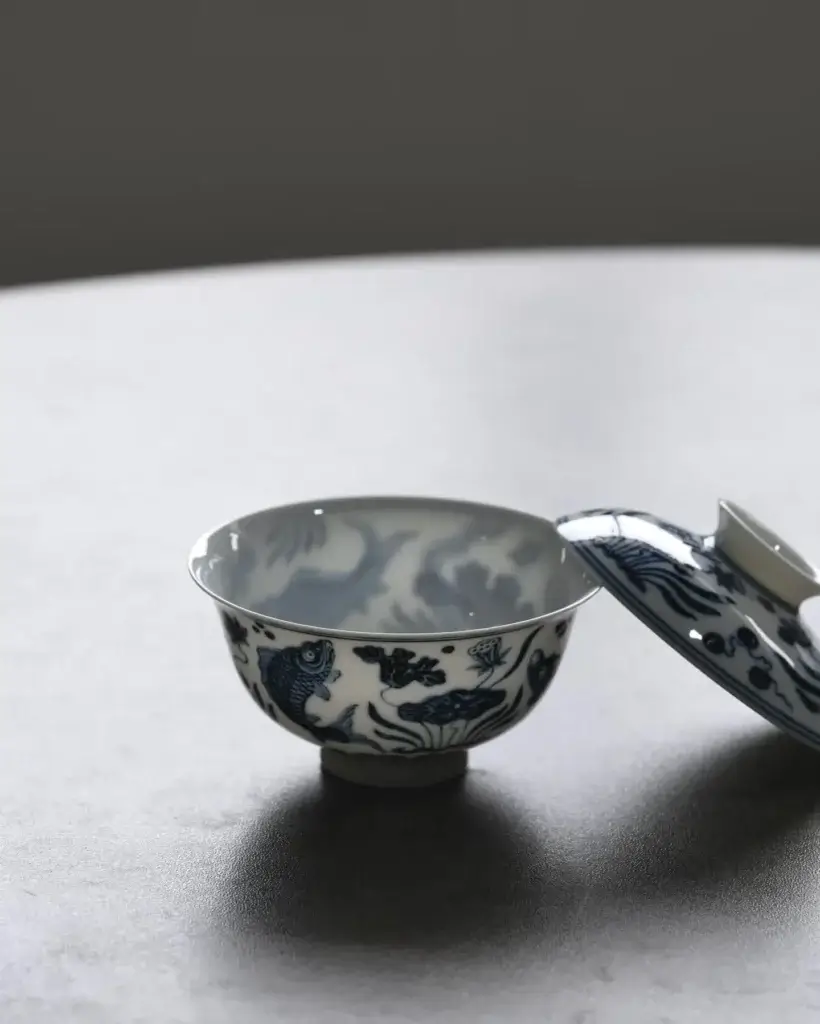
Finally Having My Chinese Porcelain Teacup: Calm That Grew With Time
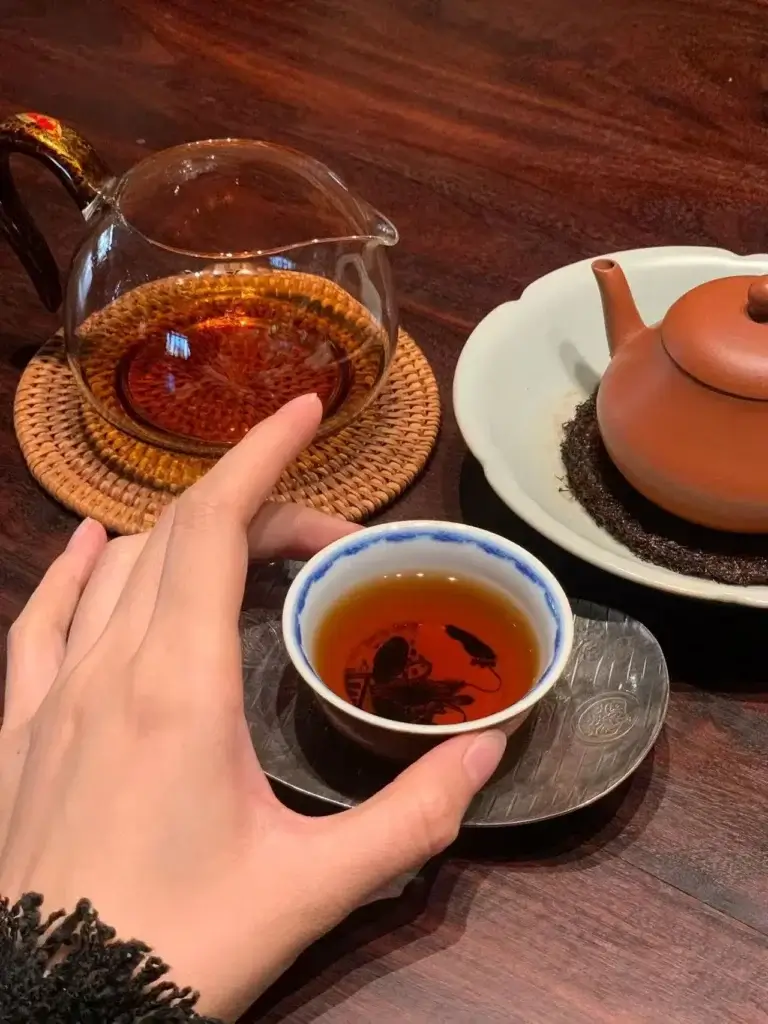
When I finally used my own porcelain teacup for the first time, the moment felt soft and meaningful, not rushed or excited.
I poured warm tea slowly, letting the heat seep gently through the thin porcelain walls.
The cup felt light and steady in my palms, wrapping my hands in soft, warm comfort.
I traced the subtle brushstrokes on its surface — not sharp or loud, but soft and flowing, like a quiet watercolor.
As I held it and sipped slowly, my breathing naturally slowed, and my shoulders dropped with each small sip.
My racing mind, which usually jumps from one thought to another, began to settle into quiet stillness.
The Quiet Power of Timeless Beauty
This porcelain teacup never tries to impress.
It doesn’t demand attention or rely on trend or novelty.
It simply holds its quiet dignity, shaped by history and made to be appreciated slowly.
In its presence, I find it easier to breathe, to pause, and to let go of unnecessary stress.
It’s not about the cup itself.
It’s about what it represents: patience, tradition, stillness, and the quiet beauty of things made to last.
Conclusion
It all started with a simple, unexpected encounter at a friend’s home.
From curiosity to understanding, and finally to having my own piece of Chinese porcelain, I found a gentle kind of calm that I hadn’t expected.
Holding this teacup connects me to something larger — history, craftsmanship, and a slower, more peaceful way of experiencing small moments. My mind becomes clearer, my emotions softer, and my heart feels quietly settled.
Sometimes, the most meaningful comforts in life aren’t loud or grand.
They’re quiet, timeless, and full of quiet depth —
just like a well-crafted piece of Chinese porcelain.
If this quiet encounter with Chinese porcelain resonated with you, you might also enjoy reading The Emotional Journey of a Handmade Chinese Porcelain Teacup — a deeper look at how handmade porcelain can become a gentle companion in your daily life.
Frequently Asked Questions (FAQ)
Q : Why does Chinese porcelain feel calmer to use than regular mugs?
A : Porcelain is denser, smoother, and non-porous, so it doesn’t hold onto odors or aftertastes. Its lightweight, delicate texture encourages slower, more mindful drinking, which naturally helps calm your mood.
Q : What is kaolin clay, and why is it used in porcelain?
A : Kaolin is a fine, pure white clay that gives porcelain its smooth, translucent quality. Artisans prize it for its ability to withstand extremely high firing temperatures, creating a strong yet elegant finished piece.
Q : What does “underglaze painting” mean?
A : Underglaze painting means artists paint the artwork onto the ceramic before applying the clear glaze. They then fire the piece at high heat, locking the color permanently so it won’t fade or wear off.
Q : Is handmade porcelain better than machine-made?
A : Handmade pieces carry small, unique brushstrokes and subtle variations that machine-made items don’t have. Many people find these small imperfections give the cup a warmer, more calming, and more artistic feel.
Q : Can porcelain really help with relaxation and mindfulness?
A : While it can’t solve stress on its own, the gentle texture, quiet beauty, and historical weight of porcelain create a peaceful atmosphere that encourages you to slow down, breathe, and be more present.
Q : How do I care for my handmade porcelain teacup?
A : Handmade porcelain is durable, but you should wash it gently by hand with mild soap. Avoid sudden extreme temperature changes and harsh scrubbing to preserve the glaze and hand-painted details.
Q : What makes Chinese porcelain different from other kinds of ceramic?
A : Chinese porcelain is known for its high firing temperature, fine kaolin clay, and non-porous, durable body. Artisans craft it to have a smoother, more translucent appearance and a refined, elegant feel compared to ordinary ceramic, making it highly valued worldwide for centuries.
Want to see more of these beautiful Chinese porcelain teacups in action? Follow me on TikTok for short videos of crafting, pouring, and savoring quiet moments with handmade porcelain.