
St. Patrick’s Day; Up to 30% OFF Everything!

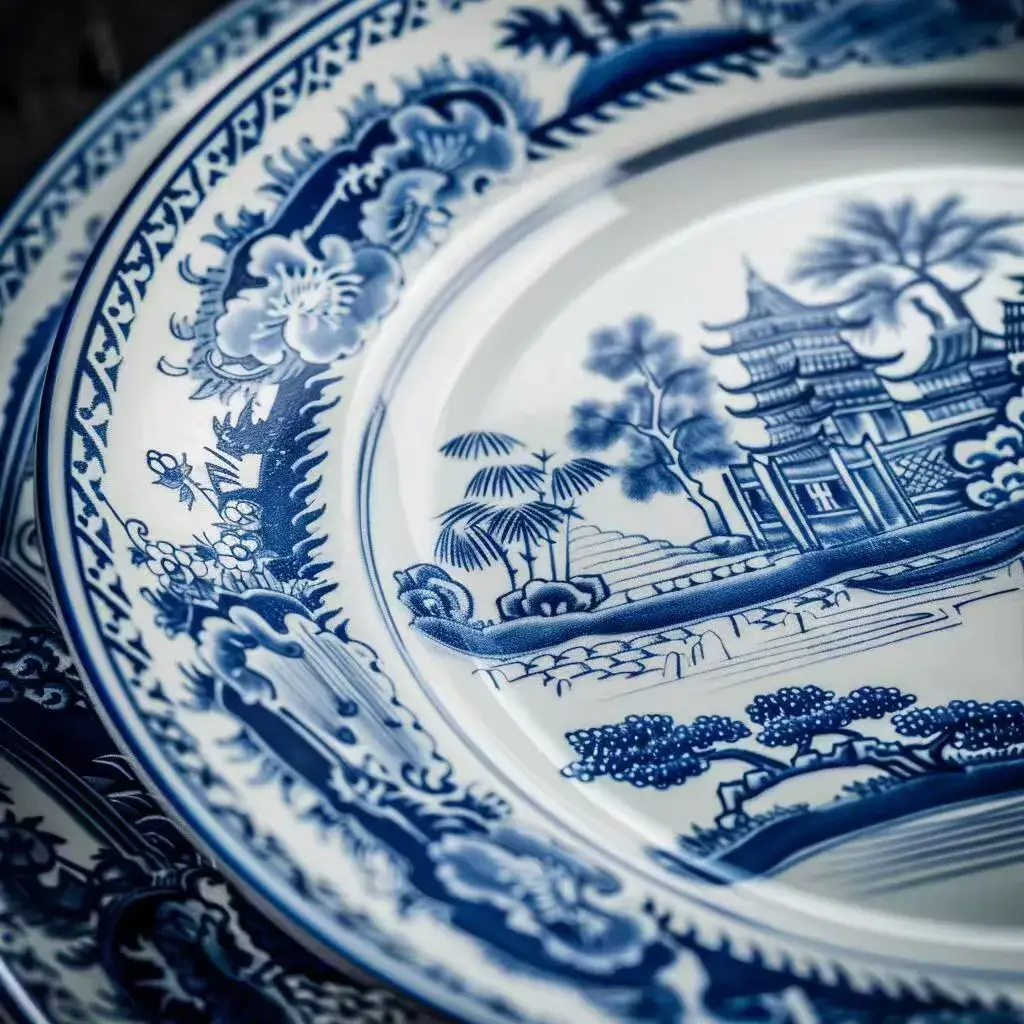
For centuries, Chinese porcelain has been more than just clay and glaze—it’s a quiet journey of craftsmanship, culture, and connection. For those of us who find solace in small, intentional moments, a hand-painted porcelain piece becomes a companion: it reminds us to slow down, encourages us to savor the beauty of imperfection, and helps us carry a piece of ancient wisdom into modern life.
Ever felt drawn to a teacup’s delicate translucency or a hand-painted landscape’s quiet poetry? This guide is for you. First, we’ll walk through the artistry behind these treasures. Next, we’ll show you how to curate authentic pieces. Finally, we’ll share the gentle joy of weaving Chinese porcelain into a life of calm and intention.
The Soul of Hand-Painted Porcelain: Craftsmanship as a Meditation
Every hand-painted Chinese porcelain piece begins with patience—a virtue as old as the craft itself. Artisans in Jingdezhen, China’s ceramic heart, start with kaolin clay, shaping it slowly on the wheel with hands guided by decades of muscle memory.
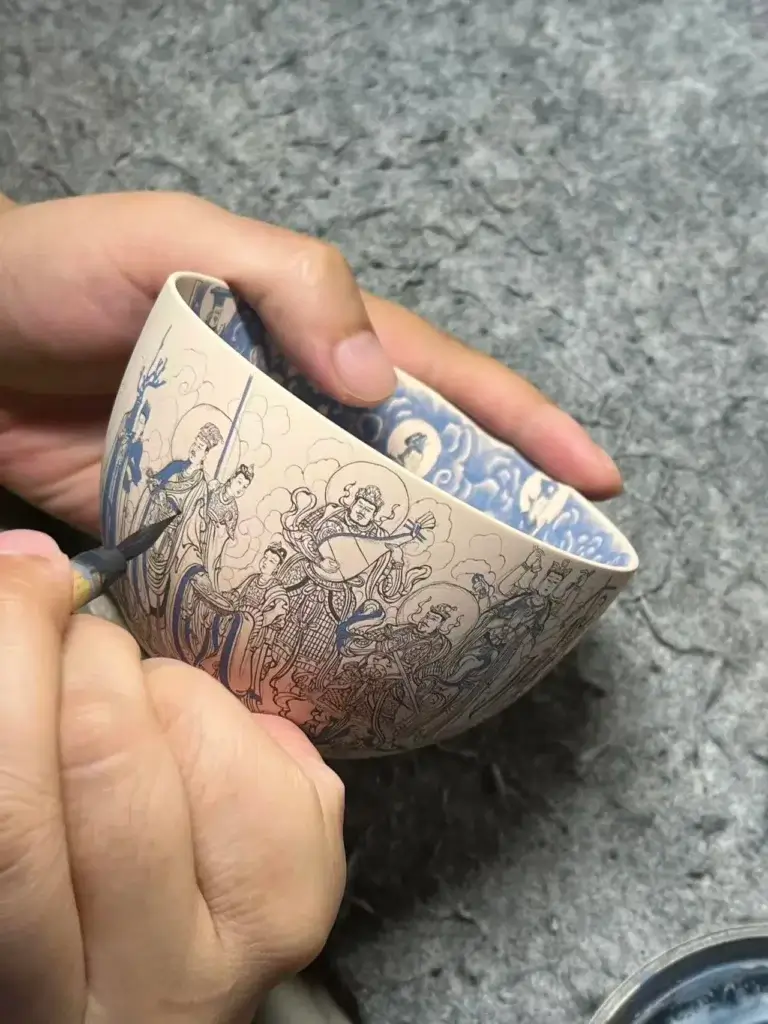
After firing, the real work begins: they paint with mineral pigments, each brushstroke a meditation and each line a story passed down through generations. Unlike mass-produced wares, hand-painted porcelain bears the marks of its maker—subtle variations in line weight, slight shifts in color, and the faint warmth of human touch.
These “imperfections” are not flaws; in fact, they are the very essence of authenticity. When you hold a hand-painted teacup, you’re not just holding a vessel—you’re holding hours of focused care, a piece of someone’s life, and a thread that connects you to a 2,000-year-old legacy of beauty. Moreover, this slow, intentional craft resonates deeply with modern seekers, offering refuge from the noise of daily life: it’s a promise to slow down, a reminder to notice the details, and an invitation to find serenity in the things that endure.
Curating Authenticity: How to Choose Hand-Painted Porcelain That Speaks to You
Curating a collection of hand-painted porcelain is less about “investing” and more about listening. To begin with, listen to the pieces that stir your heart. Then, learn to recognize the signs of true craftsmanship. Here’s how to find pieces that will grow with you:
- The Brushstroke Test: Look closely at the design. Hand-painted pieces have soft, organic edges and slight color variations. They flow with the gentle rhythm of a human hand. In contrast, machine-printed designs are rigid and uniform. They lack the warmth of a brush.
- Light and Translucency: Hold a piece up to natural light. Genuine Chinese porcelain glows softly. It lets light pass through its thin walls. This quality has captivated collectors for centuries. On the other hand, opaque or heavy pieces are likely lower-quality imitations.
- Glaze and Texture: Run your fingers over the surface. A high-quality glaze is smooth, even, and luminous. It enhances the painted design without overpowering it. Additionally, avoid pieces with rough patches, bubbles, or cracks in the glaze.
- The Feeling Test: Above all, trust your intuition. Does the piece make you pause? Does it evoke a sense of calm or wonder? The best collections are not just valuable. Instead, they are deeply personal. They are filled with pieces that tell your story.
Weaving Porcelain into Daily Serenity: Beyond the Display Cabinet
Hand-painted Chinese porcelain doesn’t belong locked away in a display cabinet. Rather, it belongs in your life, in the moments that matter most. Here’s how to integrate these treasures into your daily routine, just as you’ve done with your beloved teacups:
- Morning Rituals: Start your day with tea in a hand-painted teacup. The delicate design and cool weight of the porcelain will ground you. It turns a quick sip into a moment of mindfulness.
- Quiet Evenings: Place a small hand-painted vase on your nightstand. Fill it with a single stem of jasmine or peony. For instance, it’s a quiet reminder of beauty, even on the busiest days.
- Gatherings: Use hand-painted bowls for family meals or intimate dinners. Each piece becomes a conversation starter. It’s a way to share the story of Chinese craftsmanship with those you love.
Just as your porcelain teacup has slowed down your busy days, these pieces will continue to weave serenity into your life—one intentional moment at a time.
Why SUIAN? Curating Craftsmanship for Your Journey
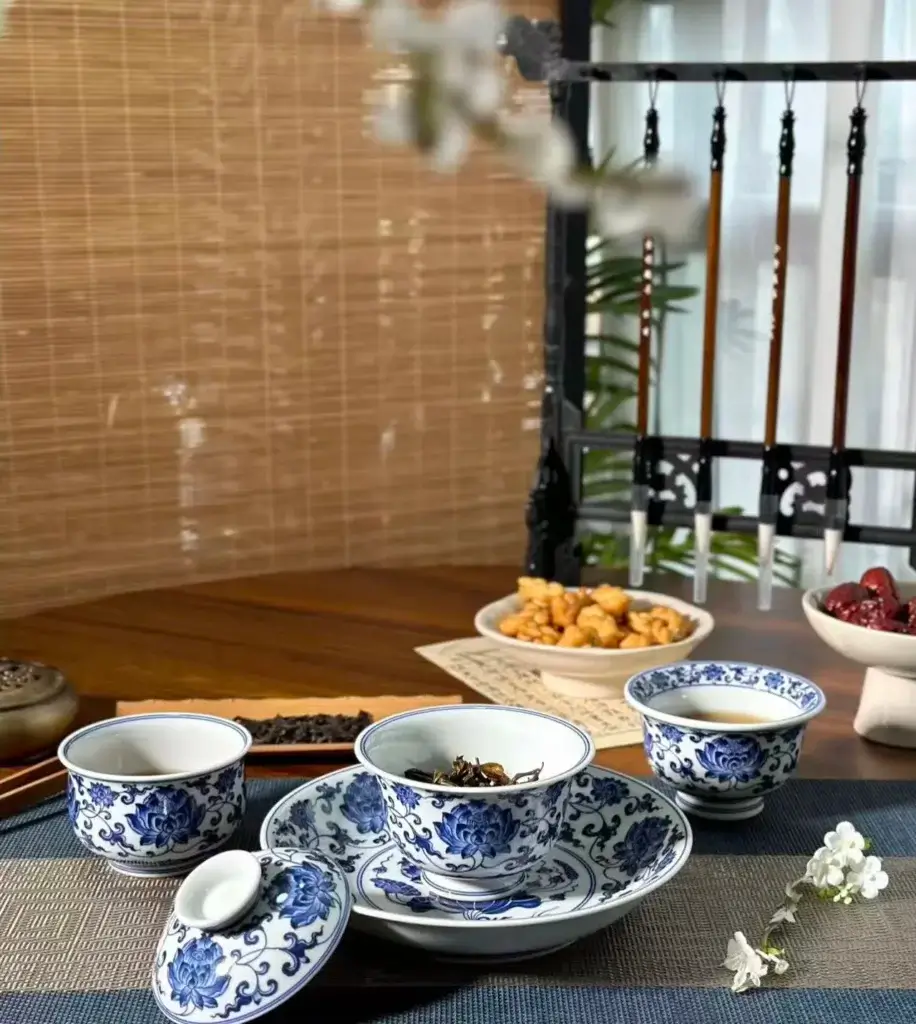
At SUIAN, we don’t just sell porcelain. Instead, we curate journeys. Each piece in our collection is hand-selected from master artisans in Jingdezhen. We ensure every brushstroke, glaze, and curve carries the same spirit of intentionality you seek.
We believe that luxury isn’t about excess. Rather, it’s about choosing objects that nourish your soul, connect you to history, and remind you to slow down. Whether you’re just starting your collection or adding a new treasure, SUIAN is here to guide you. Because the most beautiful pieces aren’t just meant to be admired; they’re meant to be lived with.
FAQ: Your Questions About Hand-Painted Chinese Porcelain, Answered
We’ve gathered the most common questions from fellow porcelain lovers. From daily care to collecting basics, we’ll help you embrace these timeless pieces with confidence.
What’s the difference between hand-painted and machine-printed Chinese porcelain?
The core difference lies in craftsmanship and uniqueness. Hand-painted porcelain is entirely painted by an artisan’s brush. It has subtle variations in lines, color saturation, and details. As a result, each piece is one-of-a-kind. Machine-printed porcelain uses transfer or digital printing. It has perfectly uniform patterns with no natural variations. Consequently, it lacks the warmth and soul of handcrafted work.
How do I clean and care for hand-painted porcelain teacups & tableware?
Hand-painted porcelain is durable but requires gentle care. For example, we recommend hand washing with mild dish soap and warm water using a soft sponge. Also, avoid abrasive scrubbers or steel wool that can scratch the surface. Do not microwave or dishwasher unless explicitly labeled. Since high temperatures and harsh detergents may fade pigments and damage the glaze. For decorative pieces, simply wipe with a soft dry cloth to remove dust.
Is hand-painted Chinese porcelain suitable for daily use, or just for display?
Absolutely suitable for daily use! In fact, using it in daily life is the best way to appreciate its beauty. Our SUIAN collection uses food-safe, high-fired glazes and pigments. Therefore, teacups, bowls, and tableware are perfect for tea, meals, and rituals—it turns ordinary moments into serene, intentional experiences, not just decor in a cabinet.
I’m a beginner collector, where should I start with hand-painted porcelain?
We recommend starting with small, practical pieces: a single hand-painted teacup, a small vase, or a tea bowl. This way, you can experience the texture and beauty without overwhelming your collection. Focus on pieces that resonate with you emotionally first, rather than chasing “value”. Once you find the style and motifs you love, you can gradually expand.
Why does hand-painted porcelain cost more than mass-produced ceramic wares?
The price reflects the time, skill, and labor behind each piece. Hand-painted porcelain requires artisans to spend hours, even days, painting each item. Because this craft takes years of training to master. Unlike mass-produced wares, each hand-painted piece is unique. It uses premium kaolin clay and natural mineral pigments. In short, it’s not just a product, but a work of art and a piece of cultural heritage.
Will hand-painted porcelain patterns fade over time?
High-quality hand-painted porcelain (like our SUIAN collection) uses underglaze painting. Specifically, pigments are applied before the final high-temperature firing. Thus, patterns are sealed under the glaze and won’t fade with normal use and care. Avoid prolonged exposure to direct sunlight and harsh chemicals. Then, your porcelain will keep its vibrant patterns and luster for decades, even generations.
What makes Jingdezhen porcelain special compared to other ceramic wares?
Jingdezhen has been the “Porcelain Capital of China” for over a thousand years. It has unique clay deposits and centuries-old craftsmanship passed down through generations. Additionally, artisans here master high-temperature firing, delicate hand-painting, and glaze making. They create porcelain with iconic translucency, fine texture, and durable quality. Every SUIAN piece comes from Jingdezhen. As such, it inherits this long-standing craft and ensures the authentic charm of Chinese porcelain.
Further Reading
If you’d like to deepen your understanding of Chinese porcelain, we invite you to explore our related guides:
- Craft versus mass-produced ceramics
Learn the key differences that set true artisan pieces apart from factory-made alternatives. - Recognize real high-quality porcelain
Discover simple, practical ways to identify genuine, well-crafted Chinese porcelain.