St. Patrick’s Day; Up to 30% OFF Everything!

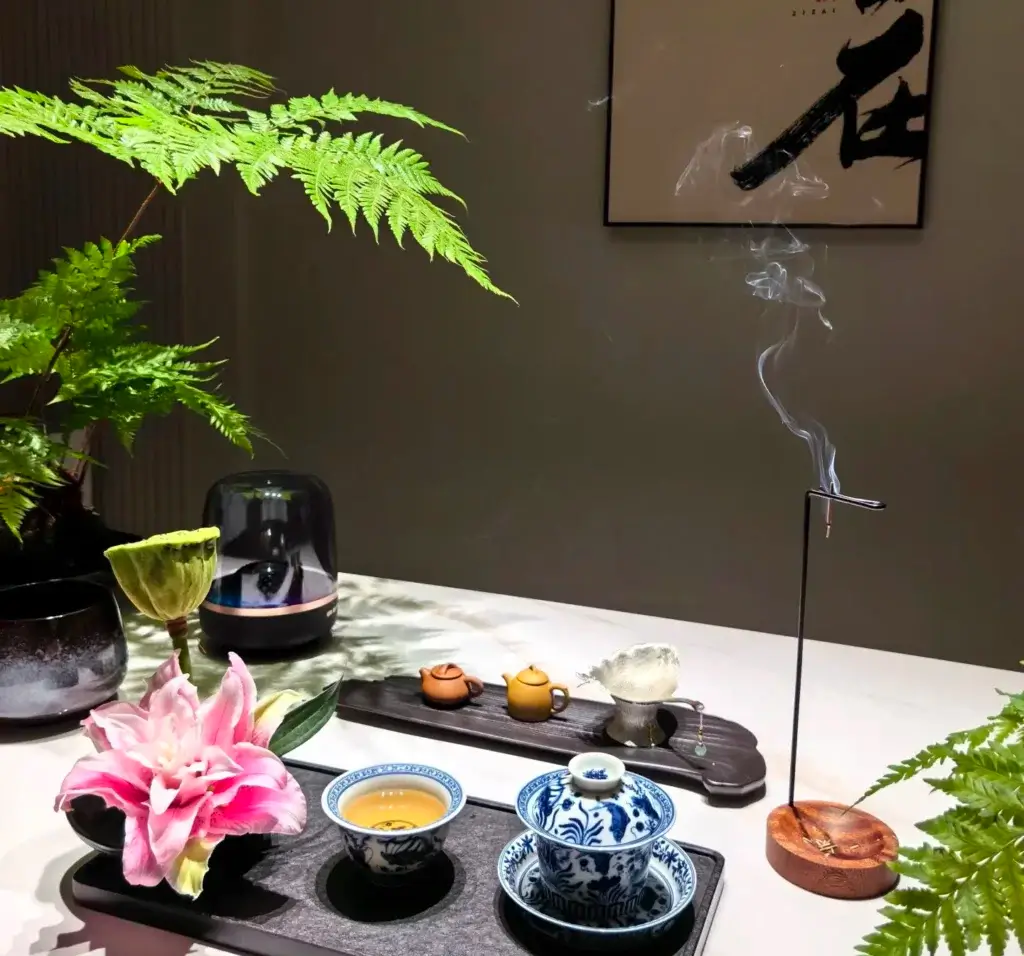
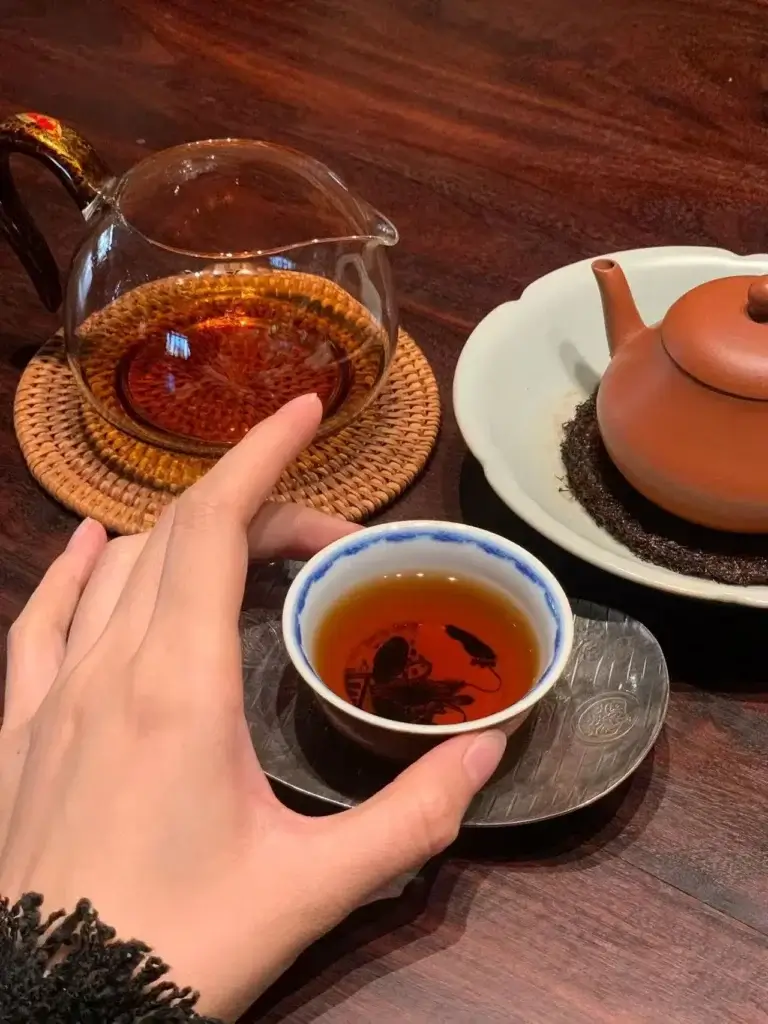
In every tea lover’s journey, handmade porcelain tea utensils stand out as true treasures. For those who appreciate the finer things in life, these pieces are more than just functional; they are works of art that tell a story. By using traditional craftsmanship and paying attention to every detail, we create tea utensils that bring joy, calm, and connection to daily rituals. With each sip, you hold not just a cup, but a piece of history and care. Unlike mass-produced items, these handmade porcelain pieces offer a unique experience, connecting you to the craftsmanship and culture behind every creation.
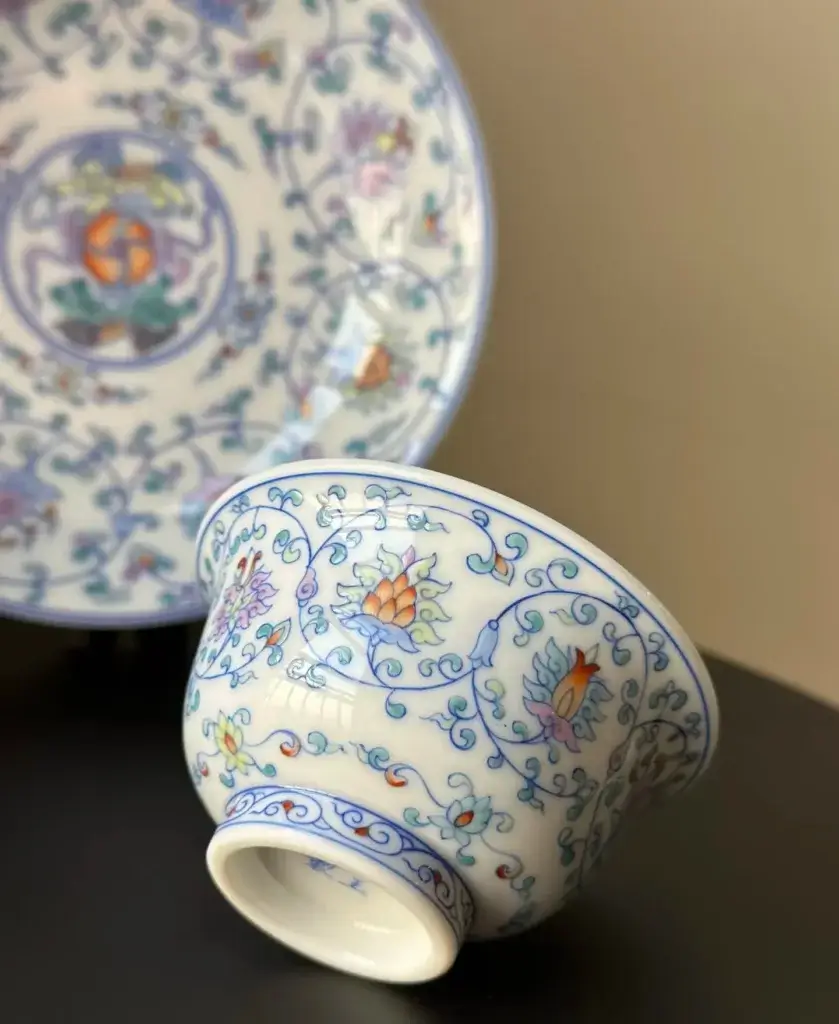
The Shape of Handmade Porcelain: Defining Your Tea Utensils
Each shape carries its own energy and function. To begin with, understanding these subtle differences can help you find the perfect vessel for your tea style.
Gaiwan
The gaiwan is the most versatile piece in tea culture. It suits every type of tea — white tea, green tea, oolong, pu-erh, and rock tea. A well-made gaiwan fits comfortably in the hand, pours smoothly, and holds its lid securely. In short, it represents calmness, balance, and quiet reliability.
Ya Shou Bei (Pressure-Hand Cup)
The ya shou bei is loved for its steady, grounding feeling. Because of its slightly flared rim and weighted base, it creates a gentle “pressure” in your palm, helping you slow down and focus. Furthermore, it enhances the aroma and thickness of oolong and aged pu-erh beautifully.
Flower God Cup, Chicken Cup & Incense-Scent Cup
Each cup has its own charm. For example, tall incense cups capture light, fragrant teas perfectly. On the other hand, flower god cups carry poetic, elegant energy. Meanwhile, chicken cups are classic, lively, and full of tradition. Ultimately, the best shape is always the one that feels right for you.
The Craftsmanship of Premium Tea Utensils & Handmade Porcelain
True handcrafted porcelain is not about visible marks or rough textures. Rather , it is about smoothness, balance, rhythm, and soul.
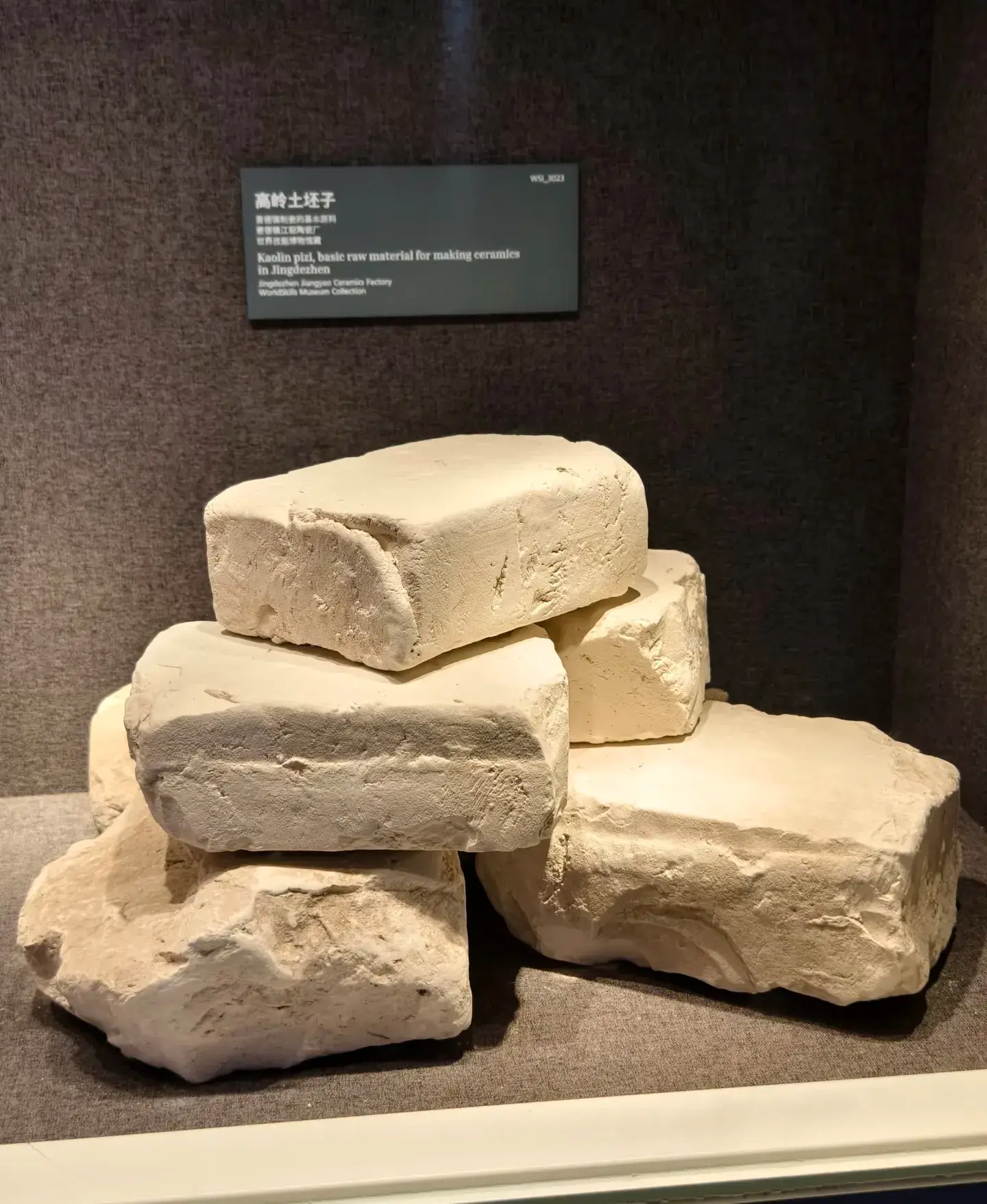
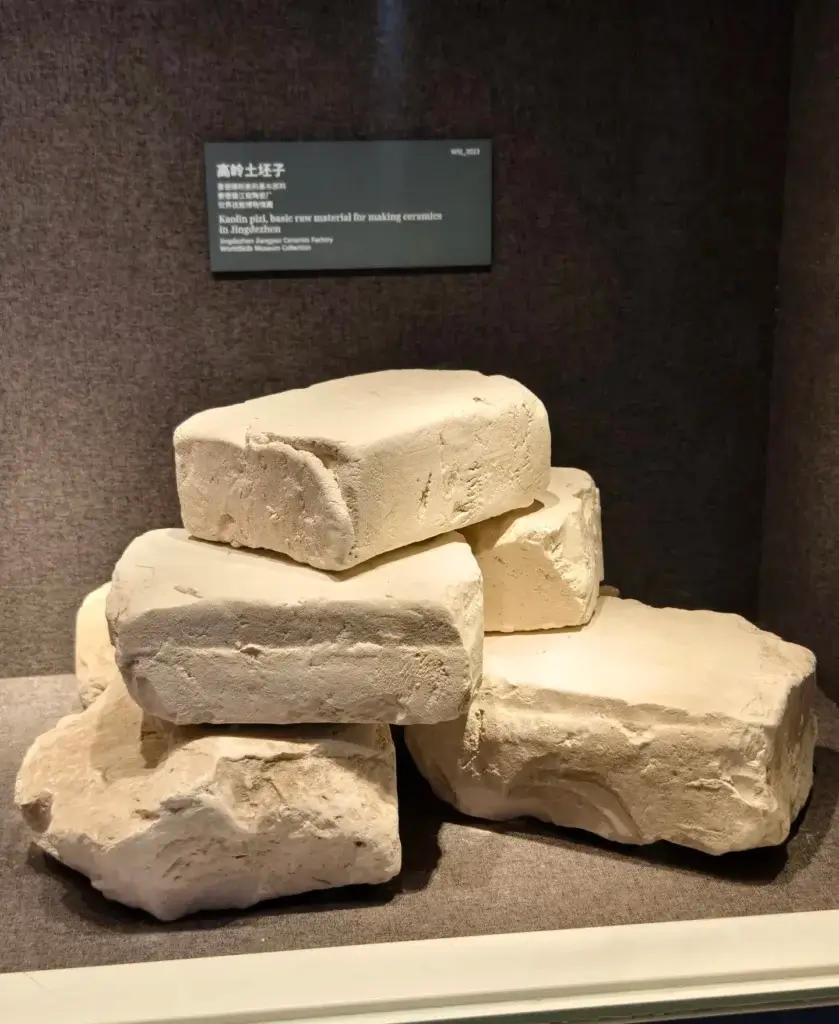
Clay: The Foundation of Quality
We use authentic Jingdezhen kaolin clay — dense, smooth, and naturally warm in tone. As a result, high-quality clay brings out clearer, cleaner tea flavors and produces a pleasant, resonant sound when tapped. Additionally, this clay is durable and retains its luster over time.
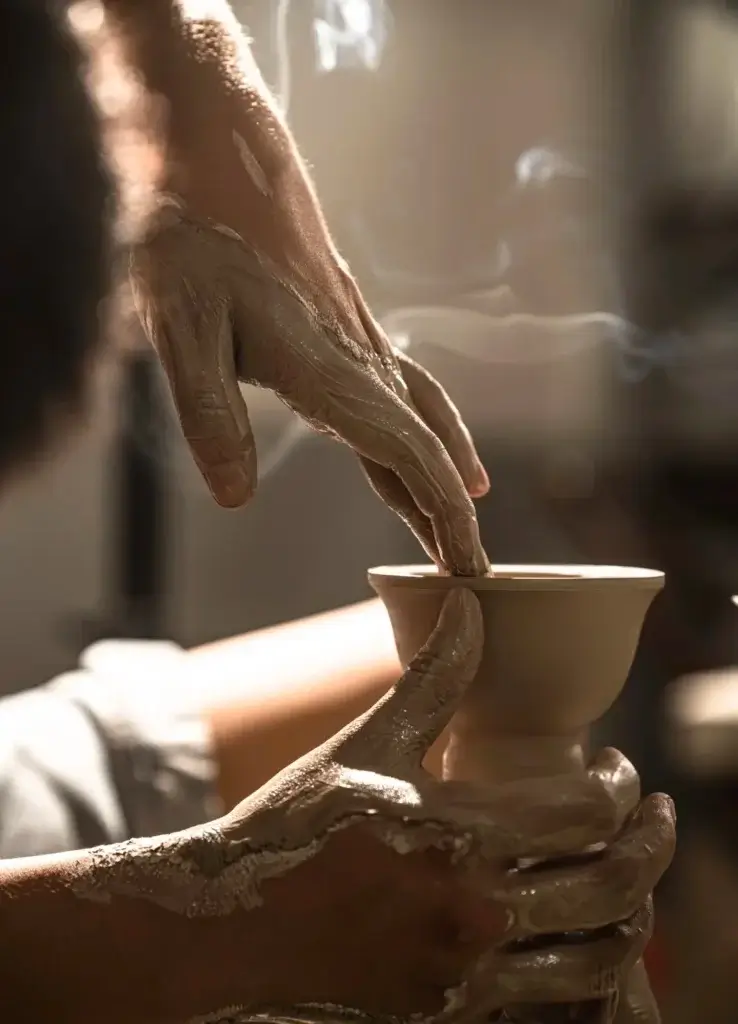
Hand-Throwing & Hand-Trimming
Machine-made cups often feel cold and perfectly uniform. In contrast, hand-thrown pieces have gentle, natural lines, comfortable thickness, and balanced weight. Besides, the interior is always smooth and fully glazed, with no fingerprints or rough lines.
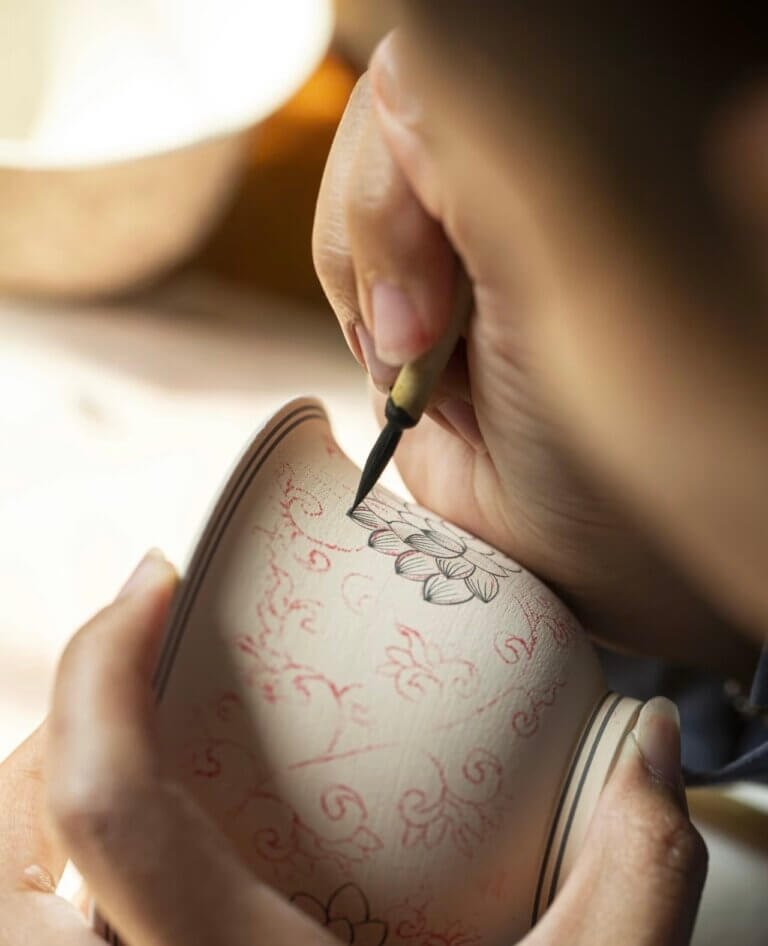
Hand-Painted Blue and White Art
The soul of blue and white porcelain lies in hand painting. Each brushstroke carries life — variations in depth, tone, and movement that printed or decal designs can never replicate. For this reason, hand-painted pieces are truly one-of-a-kind. This is the beauty of real craftsmanship.
The Emotional Bond Between Tea Lovers and Handmade Porcelain
A tea cup is not just a vessel. In fact, it becomes part of your daily rhythm. It holds your morning tea, your evening calm, your quiet moments, and your gatherings with friends. Over time, it grows softer, warmer, and more familiar. Even though it does not speak, it understands.
This is the quiet magic of well-made porcelain: it does not just serve you — it accompanies you.
FAQ
Q1: Is your blue and white porcelain safe for daily tea drinking?
A: Yes. All our pieces are high-temperature fired underglaze blue and white porcelain. Since the pigment is sealed beneath the glaze, it never touches tea, fades, or releases harmful substances. Therefore, it is completely food-safe and ideal for daily use.
Q2: How can I tell hand-painted from decal/printed?
A: Hand-painted pieces show natural brush strokes, color variations, and unique details. In comparison, decal pieces have uniform lines, repetitive patterns, and slightly rough edges. Rest assured, all our items are 100% hand-painted.
Q3: Why do some blue and white pieces look darker or lighter?
A: Natural cobalt pigment and high-temperature firing create natural color variations. This is normal and part of the charm of handmade porcelain — not a flaw.
Q4: Will there be fingerprints or lines inside the cup?
A: No. Professional handcrafted porcelain is fully trimmed, smoothed, and glazed. As a result, the interior is always clean and silky.
Q5: How does handcrafted porcelain enhance the daily tea-drinking experience?
Handcrafted porcelain elevates daily tea time by blending traditional craftsmanship with practical, everyday benefits. Unlike mass-produced items, each handcrafted piece offers a balanced, comfortable feel and natural characteristics that make every sip feel intentional. With traditional glazing and firing techniques, these pieces preserve rich flavors and aromas, turning routine tea time into a deliberate and enjoyable ritual.
Q6: How to prepare new porcelain before first use?
A: Rinse with warm water 2–3 times, then briefly rinse with boiling water. No boiling, soaking, or soap needed.
Q7: Can I use dish soap or a dishwasher?
A: Hand-washing is best. You may use mild soap, but a dishwasher is not recommended — it may scratch the glaze or paint.
Q8: Is it microwave or disinfection cabinet safe?
A: Not for microwave use. Low-temperature disinfection cabinets are acceptable.
Q9: Is thin porcelain easy to break or too hot to hold?
A: With normal use, it is durable. Avoid sudden temperature changes (cold cup + boiling water). With proper handling, it stays comfortable to hold.
Q10: How to care for blue and white porcelain to keep it beautiful?
A: Clean after each use with a soft cloth; avoid hard scrubbers. Prevent dropping, strong impact, or extreme temperature changes. Well-cared-for porcelain becomes more glossy and jade-like over time.
Q11: Are small dots or pinholes normal?
A: Yes, minor tiny dots are common in high-fired handmade porcelain. They do not affect safety, function, or appearance.
Q12: Why do prices vary for blue and white porcelain?
A: Price depends on three key factors: quality of clay and glaze, skill and time invested in hand-painting, and firing success rate (handmade pieces have a higher loss rate). Our pricing reflects real craftsmanship, quality, and safety.
Related Reading & Further Exploration
Expand your tea journey with our comprehensive guides tailored for every enthusiast. Whether you are selecting your perfect gaiwan, distinguishing handcrafted from industrial pieces, or mastering the art of identifying high-quality porcelain, these articles have you covered.
- Master the Gaiwan: Learn how to choose the perfect gaiwan for your tea style in :The Beginner’s Guide to Tea: Choose These 3 Gaiwans.
- Understand the Craft: Discover the core differences between handmade and industrial porcelain in :Handmade Porcelain vs. Industrial Porcelain: A Guide to Identifying Porcelain Painting Techniques.
- Sharpen Your Skills: Pick up essential tips to identify high-quality porcelain with confidence in :Chinese Porcelain: How to Identify High-Quality Treasures with Both Collectible and Practical Value